Springboks and All Blacks Reignite Rugby’s Greatest Rivalry with Historic Tour Announcement
TrendingTuesday, 28 October 2025 at 04:56


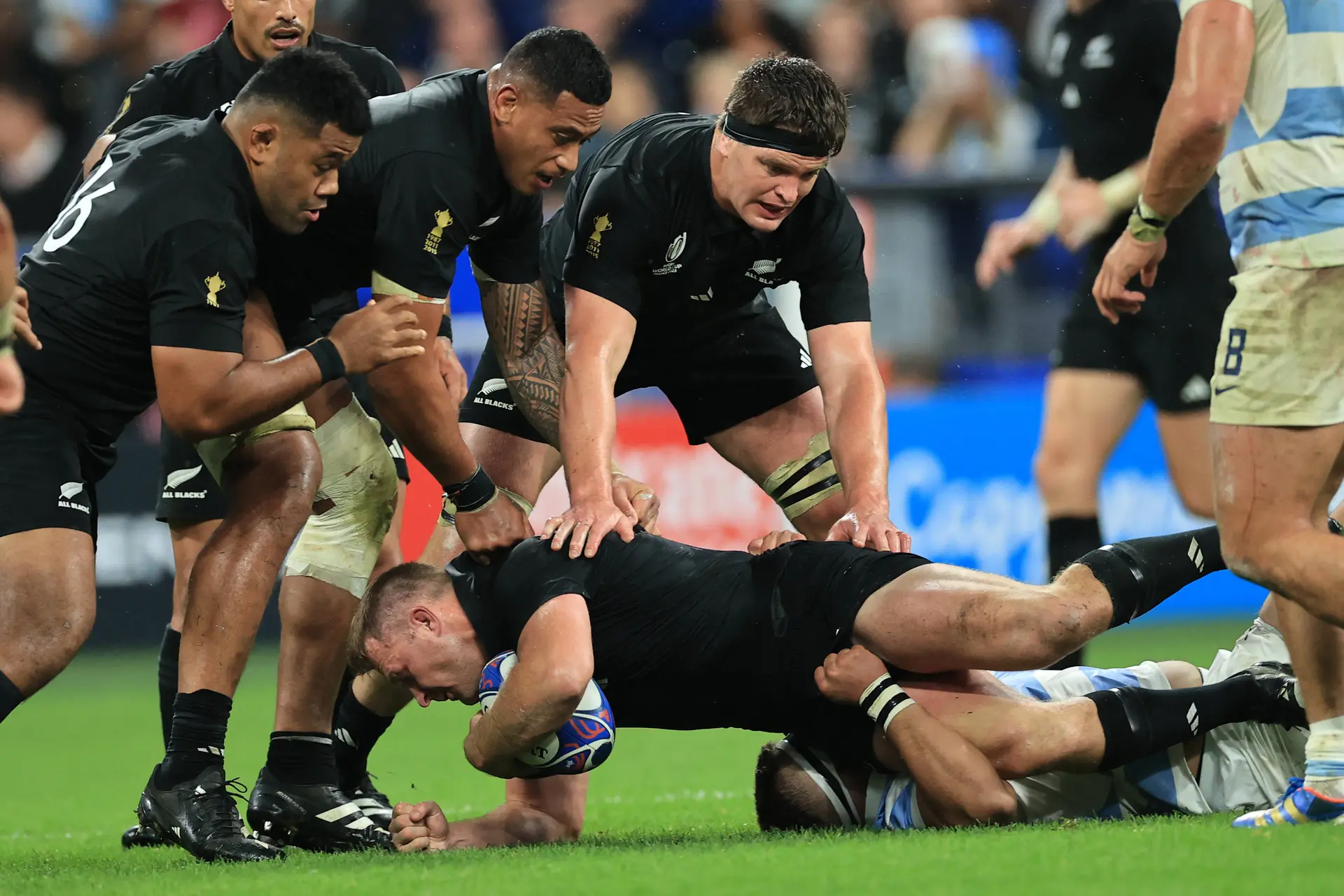
Rugby’s oldest and fiercest rivalry will enter a new era in 2026 as South Africa and New Zealand revive the traditional touring format with the launch of Rugby’s Greatest Rivalry. The two powerhouses of world rugby will meet in an eight-match schedule, including a landmark four-Test series and provincial fixtures against the Stormers, Sharks, Bulls, and Lions. For supporters on both sides, this marks a nostalgic return to the roots of international rugby, rekindling memories of tours that shaped the sport’s heritage and identity across decades of competition and cultural significance.
The announcement represents far more than a fixture list. It is a celebration of two nations whose sporting history is interwoven with passion, physicality, and respect. Fans in South Africa will once again witness the All Blacks travel across the country, while the reciprocal tour in 2030 will see the Springboks venture to New Zealand for their first extended series in the professional era. The 2026 schedule will feature Tests at Ellis Park, DHL Stadium, and FNB Stadium, with a fourth Test at a neutral international venue, promising global interest and sold-out stadiums.
Listings on new UK bookmakers 2025 shows that early predictions favour the Springboks narrowly at 5/6 to win the home leg, while the All Blacks sit at 11/10 following their recent resurgence in form. Bettors tracking squad announcements, travel conditions, and player fitness will have an active role in how prices move in the lead-up to August 2026. As the hype builds, even minor details (such as altitude or short turnarounds) could influence pre-match markets significantly.
The revival of traditional touring represents a cultural reset for international rugby. In an era dominated by franchise competitions and condensed schedules, this return to long-format tours reconnects the game with its heritage. Players will now have opportunities to face club opposition across the host country, something largely absent since the 1990s. The experience will test depth and adaptability while fostering stronger links between international teams and local fans. It’s an approach that celebrates both the sport’s grassroots and elite tiers, adding variety to the modern rugby calendar.
For South Africa, the All Blacks’ visit comes with immense anticipation. The last time the New Zealanders embarked on a major tour to South Africa was 1996, a series that remains iconic for its intensity and drama. This new chapter promises a similar spectacle, combining nostalgia with innovation. The addition of a neutral fourth Test introduces a global twist, potentially staging rugby’s greatest rivalry in front of new audiences abroad. Such bold scheduling underscores the sport’s ambition to evolve while staying true to its essence.
Commercially, the tour is set to be one of the most lucrative in modern rugby. Broadcast rights, merchandise sales, and tourism-related activity are expected to bring significant revenue to both unions. The unique structure, blending club and international fixtures, creates extended engagement for fans and broadcasters alike. Each match provides its own storyline, from the All Blacks facing provincial franchises to the decisive Tests that could swing momentum in either direction.
For players, the tour offers a rare opportunity to etch their names into rugby folklore. Springbok captain Siya Kolisi and All Blacks skipper Scott Barrett have both emphasised the historical weight of the occasion. Beyond the physical challenge, these matches will carry emotional depth, symbolising decades of shared respect and rivalry. The traditional format will demand resilience, strategy, and squad rotation, rewarding teams capable of sustaining peak performance over a demanding month-long campaign.
Fans, too, will play a central role in defining the atmosphere. South Africa’s major venues (Ellis Park, FNB Stadium, and DHL Stadium) are synonymous with rugby history, and each promises a cauldron-like environment. Supporters from across the world are expected to travel for what many are already calling the “mini World Cup” of 2026. Early ticket interest has exceeded expectations, with presale registrations flooding the official tour website within hours of the announcement.
From a global perspective, the Rugby’s Greatest Rivalry series represents a model that could inspire other nations to revive long-form tours. With the Lions series, Rugby Championship, and World Cups dominating the modern cycle, such traditional tours have become rare. Yet their appeal remains undeniable, offering both sporting and cultural experiences unmatched by short-format competitions.
As the countdown to August 2026 begins, anticipation continues to build among players, fans, and analysts alike. Whether viewed through the lens of tradition, sporting excellence, or competitive balance, this new tour encapsulates the enduring spirit of rugby. It is a reminder that some rivalries transcend time, bridging generations through passion, respect, and an unrelenting desire to win.
TRENDING




LATEST NEWS





LATEST COMMENTS
- Jordie Barrett over Damian de Allende is far from being correct. The hype around Dupont is also overreaching, he's probably 4th in the world and has been since the 2023 WC. He also avoids certain matchups which is strange. The rest of the list is pretty good apart from minor subjective biases.JasonMarlow16-09-2026
Loading