The Six Nations Is Only the Beginning of Rugby’s Toughest Year
TrendingTuesday, 17 February 2026 at 20:49

Rugby has never had a bigger global following than it does today. What was once seen as a game for a handful of traditional nations has now spread far beyond its usual strongholds.
More countries are getting involved, more people are watching, and the game is growing at every level. Tools like Private Internet Access USA VPN have also helped extend the game’s reach into places like the US, where supporters can now stream matches and access rugby coverage without restrictions.
Despite this growth, the sport is facing a challenging year. Fixture lists are overloaded, new competitions are squeezing into the calendar, and concerns over player welfare aren’t going away. With all eyes on what comes next, 2026 could shape the future of rugby more than any season before.
The Six Nations began on 5 February with France hosting Ireland in Paris. The final round concludes on 14 March, but the schedule in between leaves little room to breathe. Teams must play intense matches across a shortened window.
The change is intended to create space for future international competitions, but it places immediate strain on squads. Depth will matter more than ever. England and France are better equipped to rotate, while Ireland faces challenges in key positions, particularly in the front row. Wales, still relying heavily on a small core of players, has little margin for error.
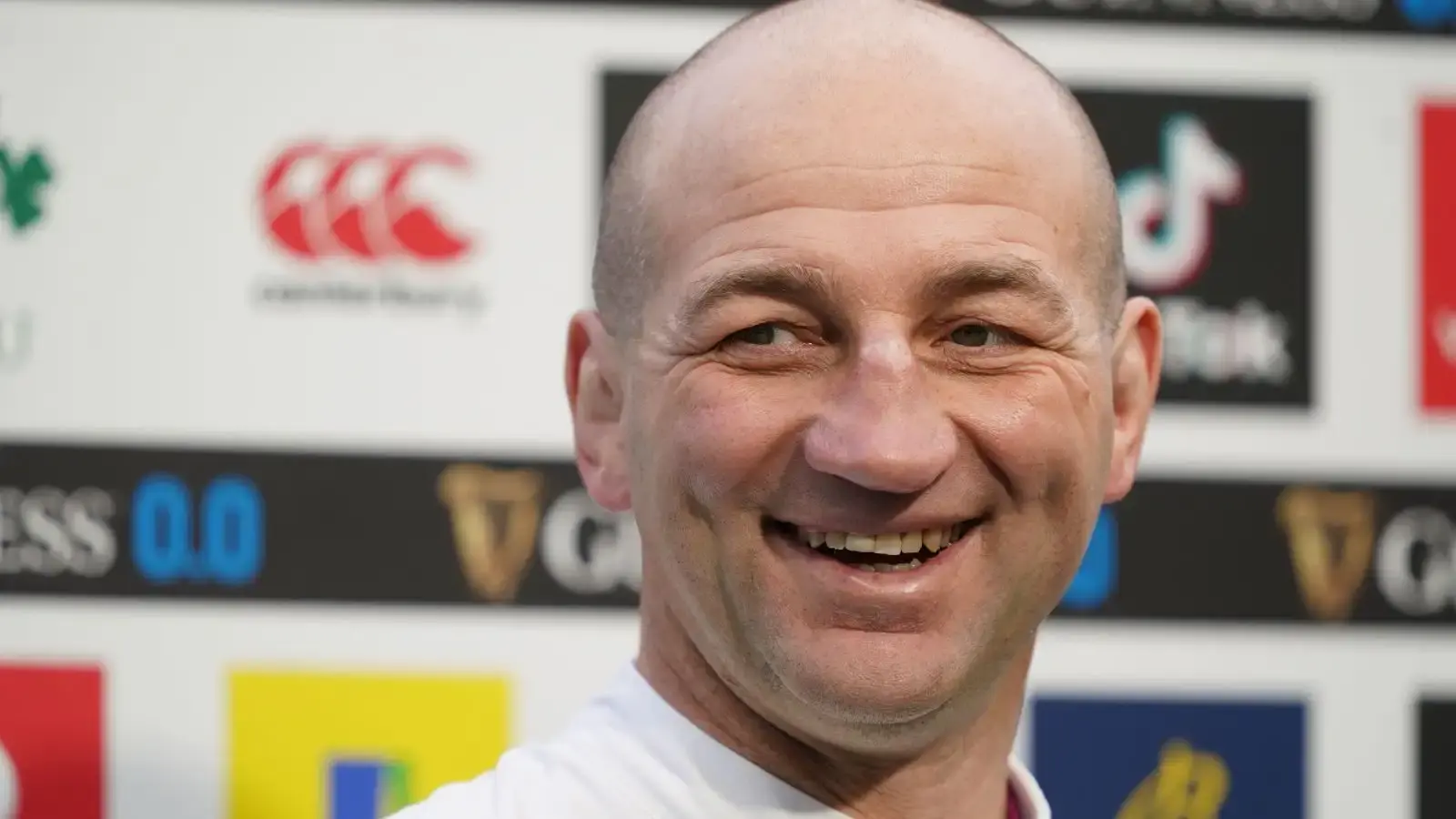
Managing workloads has become a tactical issue as much as a physical one. England head coach Steve Borthwick has pointed to improved recovery processes, though the demands continue to rise. Travel adds further pressure, with teams moving between training bases and away fixtures across several countries in quick succession.
The physical load on players is drawing increased scrutiny. In response, World Rugby has introduced clearer limits on match exposure. Players are restricted to 30 matches per season, with no more than six consecutive weeks of play, alongside a compulsory five-week off-season break. Contact training time has also been reduced.
These measures follow extended consultation with players and coaches, reflecting a broader effort to control cumulative fatigue.
Some coaches remain cautious about rigid limits. Borthwick has argued that decisions should be guided by evidence rather than fixed thresholds. Still, with legal action from former players linked to long-term brain injuries, the sport faces pressure to demonstrate that safety policies have a real impact. How teams manage fatigue across this season will be closely watched.
Talks are underway to align the rugby calendar across hemispheres. One option is to shift the Rugby Championship earlier, which could also move the Six Nations forward. The goal is to reduce clashes between club and international fixtures and make travel and recovery time more manageable.
There’s movement behind the scenes. Several unions have signalled they’re open to change.
A shared calendar would give players clearer rest periods and help reduce burnout. But big challenges remain, especially in coordinating with club schedules. Getting this right could remove long-standing friction in the sport, but getting there won’t be simple.
Rugby’s footprint continues to widen, particularly in emerging markets. In the United States, Major League Rugby is steadily expanding, even as it navigates financial and logistical challenges. Viewing figures are climbing, helped by improved streaming access and the sport’s visibility through Olympic formats.
Women’s rugby is also seeing sustained growth. New domestic leagues are attracting larger crowds, better sponsorship, and stronger pathways for young players.
In parts of Asia, regional competitions are improving in quality, offering more opportunities for local talent to develop without leaving home too early.
This wider reach brings new investment, but it also raises expectations. Expanding responsibly means building depth, improving coaching structures, and avoiding over-reliance on a small group of elite players.
The next twelve months will test every part of the game. The Six Nations, the new Nations Championship, and tighter player welfare rules all hit at once. On paper, there’s progress. But the real measure is how teams manage the strain.
If leaders deliver on reform, the game can grow stronger and more sustainable. If not, the same issues (burnout, confusion, uneven growth) will continue. Rugby isn’t at a tipping point yet, but it’s close. Every decision this year will shape what happens next.
TRENDING





LATEST NEWS






LATEST COMMENTS
- Jordie Barrett over Damian de Allende is far from being correct. The hype around Dupont is also overreaching, he's probably 4th in the world and has been since the 2023 WC. He also avoids certain matchups which is strange. The rest of the list is pretty good apart from minor subjective biases.JasonMarlow16-09-2026
Loading