
Two All Blacks legends have questioned one of rugby's most famous traditions, suggesting New Zealand perform the haka too often.
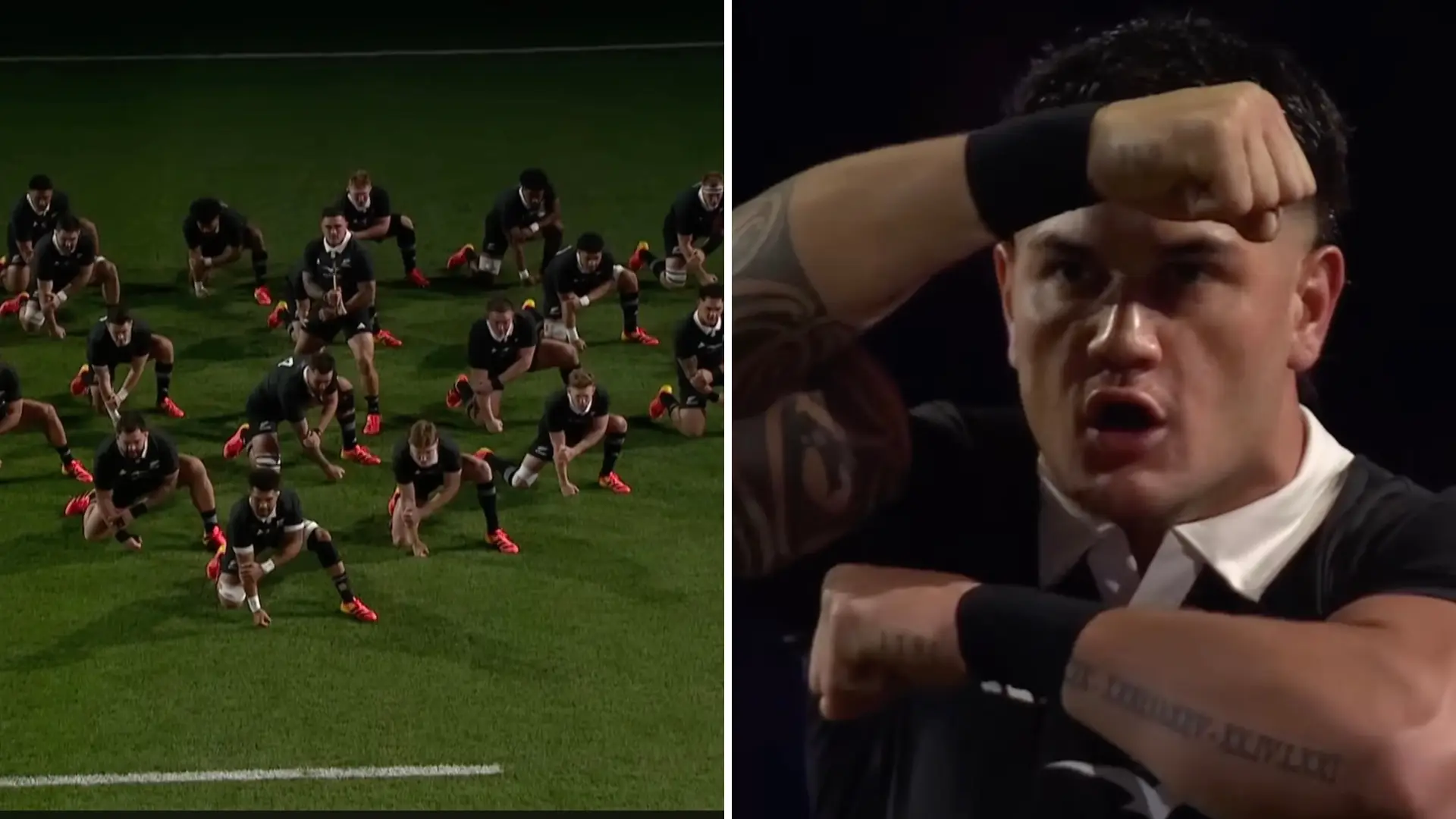
The haka has become one of the most recognisable sights in world rugby, with the All Blacks performing it before every Test match.
However, former captain Taine Randell and legendary forward Colin Meads both raised concerns about how frequently it was being performed.
Neither called for the tradition to be scrapped. Instead, they questioned whether performing it before every match had taken away some of its significance.
Randell raised the issue in 2003, claiming the haka had "lost some meaning" because of how regularly it was performed.
Meads, one of the greatest players in All Blacks history, remembered a very different approach.
During his playing days, the haka was largely reserved for overseas tours, when it was performed as a challenge to opponents and spectators.
According to comments reported by ABC News in 2003, the tradition changed significantly following the 1987 Rugby World Cup, when New Zealand began performing it before every match.
"Something to treasure" – Another All Black speaks out
Former All Black Joe Karam later expressed similar concerns.
In 2019, he suggested the haka should be reserved for special occasions, such as the opening Test of a season or the final match of an overseas tour.
Karam argued its "overuse has made it banal".
He also criticised what he described as a "PR, branding, money-making exercise".
By performing it less frequently, Karam believed the haka could once again become "something to treasure".
His comments added to a debate that has followed New Zealand rugby for decades.
Despite those concerns, the tradition has produced some unforgettable moments, including several featured in RUCK's ranking of the five most legendary haka performances.
New Zealand Rugby defended tradition
Not everyone agreed with the criticism.
Then-New Zealand Rugby Union chief executive Chris Moller defended the frequency of the haka when the issue was raised in 2003.
He pointed out that the All Blacks were playing more international matches than in previous generations.
That naturally meant more performances.
Moller also described the tradition as "great for Māori heritage and great for the game".
For supporters of the haka, its regular appearance remains an important celebration of New Zealand's cultural identity.
The debate, therefore, is not necessarily about whether the All Blacks should perform the haka.
It is about whether doing so less often would make those performances even more powerful.
History of the All Blacks haka
The haka has been associated with New Zealand rugby for well over a century.
The New Zealand Natives performed a haka during their historic 1888–89 tour of Britain.
By 1905, the All Blacks were performing Ka Mate, the famous haka composed by Māori chief Te Rauparaha.
For much of the 20th century, performances were more selective, particularly outside New Zealand.
The 1987 Rugby World Cup helped establish the haka as a regular pre-match tradition.
In 2005, the All Blacks introduced Kapa o Pango, a haka created specifically for the national team.
Both Ka Mate and Kapa o Pango remain part of the All Blacks' identity today, with their origins and cultural significance explained in the team's official history of the haka.