
Over the years, the centre position has produced some of rugby’s most influential players. These players have unbelievable ball-carrying ability to get their side over the gain line and, more often than not, create chances where none appeared to exist with their devastating power.
Albeit, when you think about it, wearing either the 12 or 13 jersey is a unique combination because both positions demand so much differently. But the finest players in these positions have mastered their attributes, making them some of the best to ever play the game and defining some of the sport’s greatest sides.
From World Cup winners to a legendary Springbok and Ireland’s greatest-ever player, here are the top 10 centres to have played the game.
10. Philippe Sella (France)
Sella established himself as one of the best midfield players of his generation. He was incredibly consistent with his work and had an attacking instinct that would make him a constant threat with ball in hand to the opposition he faced.
The former Agen and Saracens player earned 111 caps and scored 128 points in a 13-year international career. He is one of France’s greatest ever backs and remains included among the greatest.
9. Jean de Villiers (South Africa)
When it comes to reliability, de Villiers is one of the best, with a standout career in the green and gold of South Africa. The former Springbok captain started on the wing but eventually became one of the most established centres of the professional era.
His desirable strength and intelligence made him invaluable for the Springboks. He claimed 109 caps and captained South Africa on almost 40 occasions. His captaincy was crucial, especially when the Springboks competed against the world's leading sides and weren't the benchmark.
A 2007 World Cup winner, he isn't on the list for his individual brilliance; his greatest value came from his decision-making and his willingness to put his side first at every opportunity. He’s one of the best centres South Africa has ever produced.
8. Will Greenwood (England)
Nowadays, Greenwood brings an exceptional rugby brain off the field, making him one of rugby’s greatest pundits. However, that same intelligence caused problems for even the most organised defences.
Rather than relying on his physical presence, the 55-cap England international excelled with intelligent running lines, getting his side on the front foot at the right moment.
His standout moment came during England’s victorious 2003 Rugby World Cup campaign; he crossed the whitewash five times in Australia and played a significant role in Clive Woodward’s side.
He may not have had the longest international career on this list, but being part of England’s greatest-ever achievement ensures his place in these conversations for years to come.

7. Yannick Jauzion (France)
The Toulouse stalwart was a central figure in French rugby in the 2000s, blending size and creativity to make him hard to stop.
In a country renowned for producing gifted attacking backs, Jauzion had the physical attributes of a centre, plus a strong attacking mindset that brought players in the wider channels into the game.
He won a lot of silverware with both Toulouse and France. He also scored the decisive score in the 2007 World Cup quarter-final against the All Blacks, which France won 20–18. Jauzion was one of France's most reliable players.
6. Mike Gibson (Ireland)
When you look at Ireland’s success over recent years, it is important to look back at a generation of players who helped establish those foundations. A gifted back, Gibson represented Ireland for more than a decade.
In today’s world, centres are judged by their physical presence, such as Bundee Aki, but Gibson was the type of player who showed great adaptability within matches when his side were on the front foot.
These achievements that occurred for Gibson came at a time when Ireland wasn’t always competing with the leading sides in world rugby. He was widely admired by those around him, and even opposition players spoke fondly of him.
He remains one of Irish rugby most well-respected players to this day.
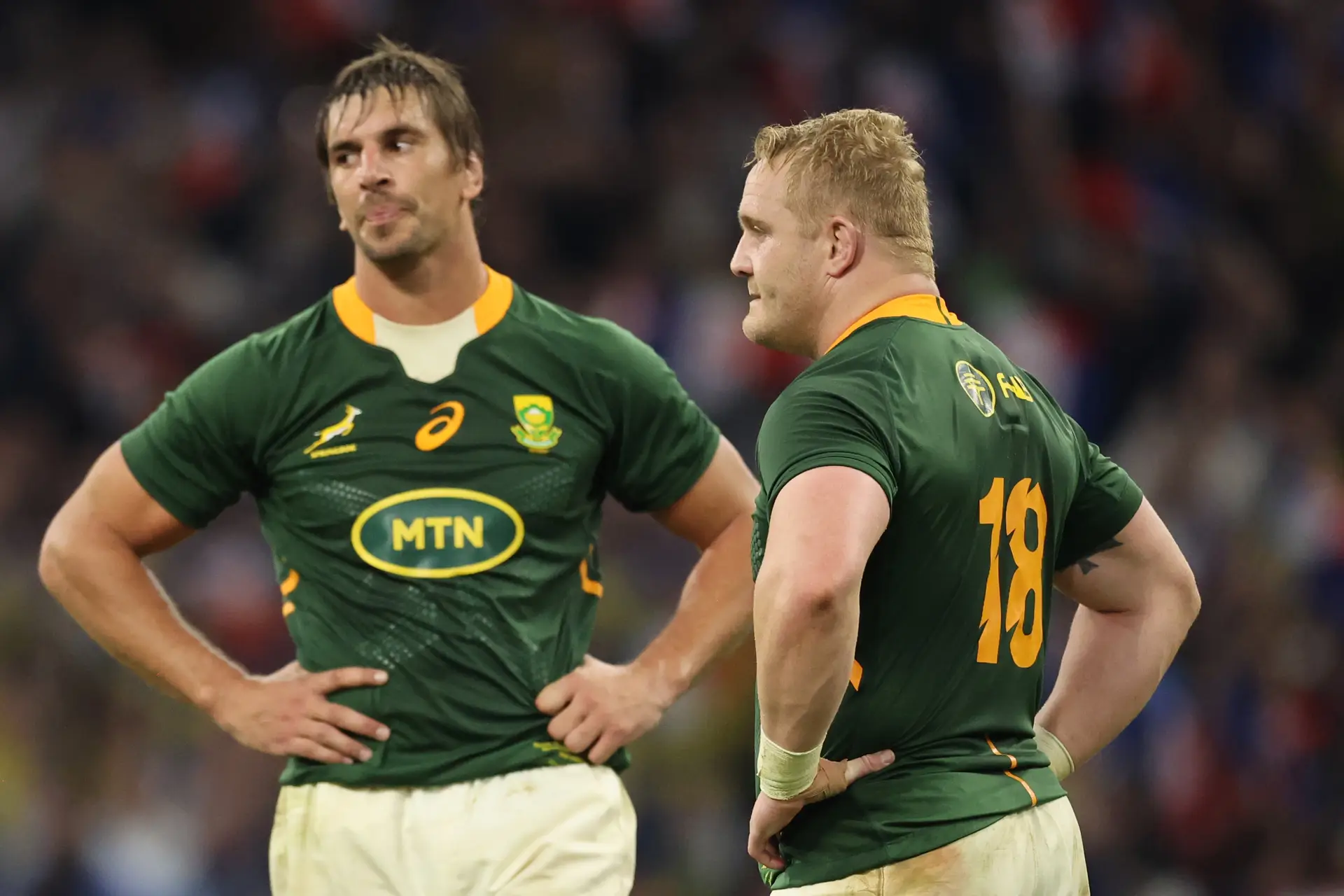
5. Damian de Allende (South Africa)
He has become the blueprint for a modern inside centre, blending physical power with technical quality and defensive excellence. A key figure in South Africa’s midfield for almost a decade, he consistently gets his side over the gain line while shutting down opposition attacks.
A two-time Rugby World Cup winner in 2019 and 2023, de Allende has been essential to the Springboks’ success. He has proven he can deliver on the biggest stage.
Capable of playing at 12 or 13, de Allende combines the power of a ball carrier with the skills of a playmaker. His consistency and all-round game have made him one of the finest centres of his generation.
4. Danie Gerber (South Africa)
Few centres have possessed Gerber's natural ability. Despite being restricted to just 24 Test appearances by South Africa’s isolation during the apartheid-era, he scored 19 international tries.
Blessed with pace, power, and elusive footwork, he could leave even the strongest defences struggling to contain him.
Gerber produced memorable performances throughout his career. He finished with 158 tries, cementing his reputation as one of the most gifted midfielders the game has ever seen.
3. Conrad Smith (New Zealand)
Smith was never the most spectacular centre on the field, but his intelligence, positioning and ability to read the game made him one of New Zealand’s finest.
His understanding with Ma’a Nonu became a defining feature of the All Blacks’ midfield, with the pair forming one of the most successful centre partnerships in international rugby.
Despite battling injuries throughout his career, Smith remained a crucial figure in New Zealand’s success, starting in the finals of both the 2011 and 2015 Rugby World Cups.
His composure, defensive organisation and ability to make the right decisions under pressure were invaluable to the All Blacks. Never one to chase the spotlight, Smith let his performances do the talking.
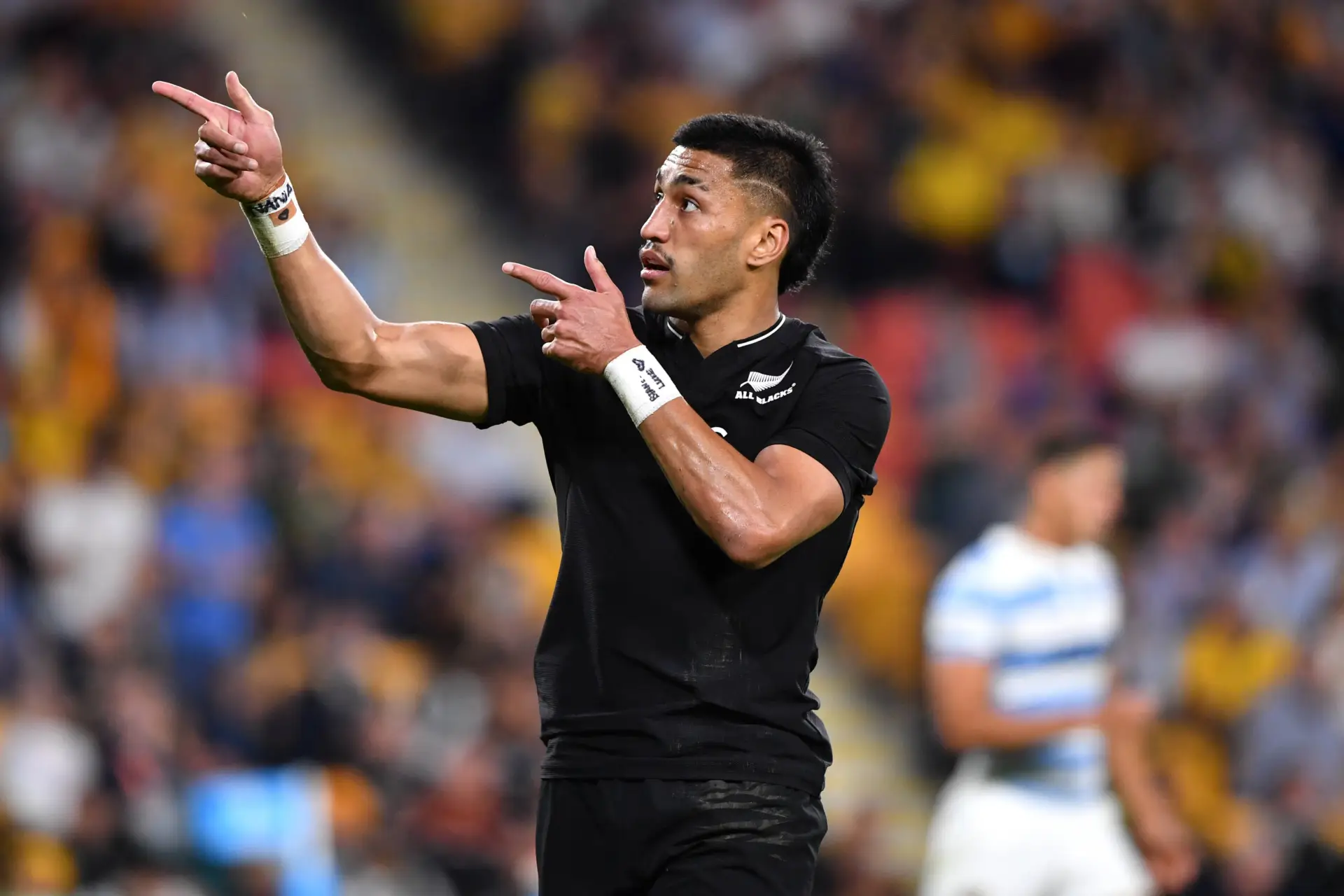
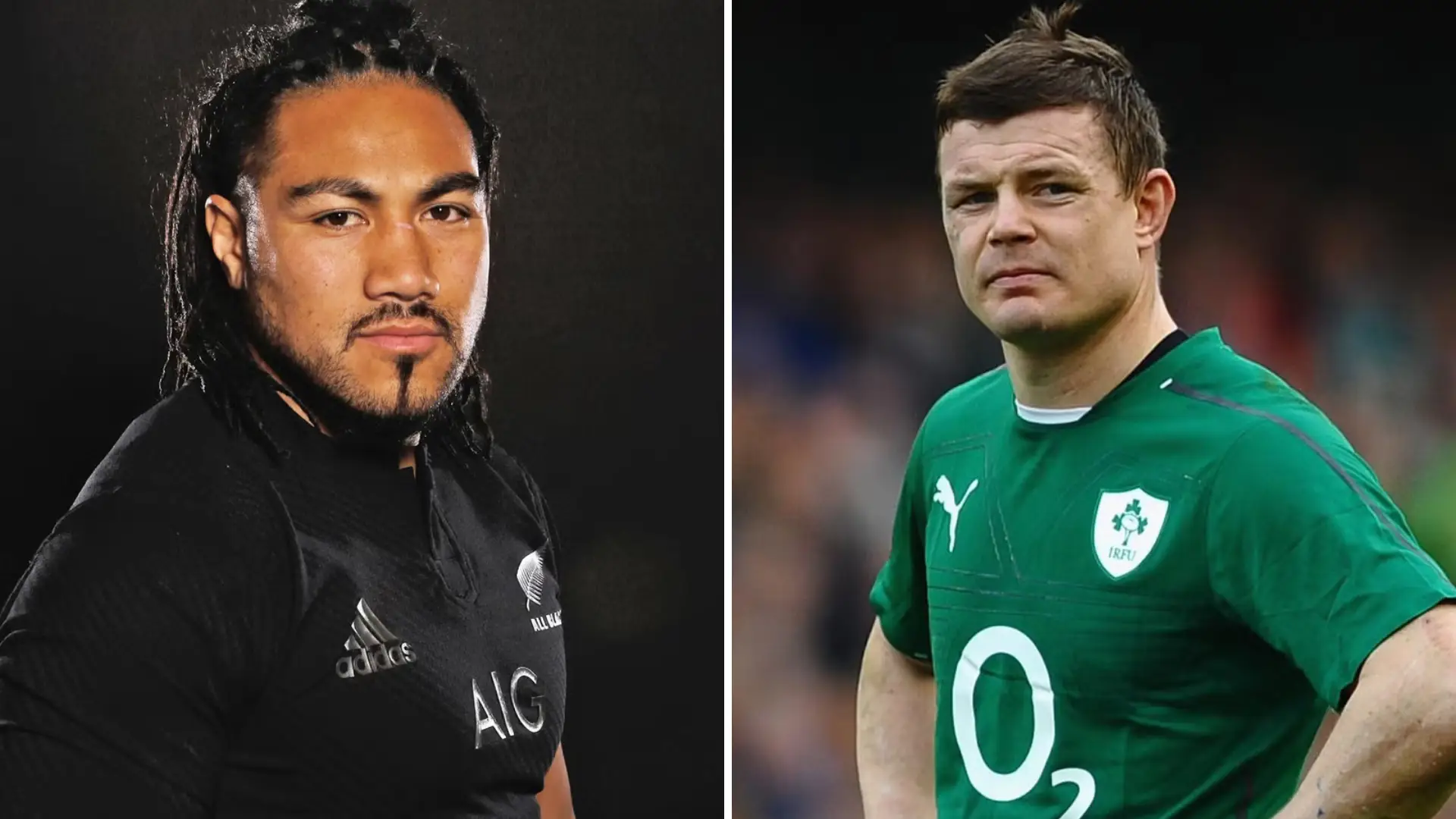
2. Ma’a Nonu (New Zealand)
Despite recently playing for the Sharks in Durban against the All Blacks as part of Rugby’s Greatest Rivalry, Nonu's career has seen him transform from an unpredictable youngster into one of the best to ever do it.
His longevity is something to behold, especially in the modern era of rugby union. He is still finding ways to trouble defences decades after first making his mark.
A two-time Rugby World Cup winner, he scored a spectacular solo try in the 2015 final against Australia, showcasing the power and pace that made him such a formidable opponent.
Initially compared to Tana Umaga, Nonu eventually carved out his own legacy, proving he was far more than a powerful ball carrier. Even now at 44, he continues to defy expectations; in recent years, Nonu became the oldest try-scorer in Top 14 history.

New Zealand vs. Australia --- Rugby --- Rugby Championship --- 15/08/2015 Auckland, New Zealand - August 15, 2015 - Maa Nonu of the All Blacks waves to the crowd following The Rugby Championship match between the New Zealand All Blacks and the Austra
1. Brian O’Driscoll (Ireland)
No matter how many times you make this list, one player will always be at the top. O’Driscoll remains that player.
He was far more than a brilliant centre for Ireland; he drove a generation of Irish rugby success. The Leinster stalwart, with 141 Test appearances, including 83 as captain, and eight for the British and Irish Lions, O’Driscoll scored 46 international tries and established himself as one of the game's most influential midfielders.
He always delivered on the biggest stages when many others couldn't. His induction into the World Rugby Hall of Fame a decade ago was a fitting recognition of a career that had already secured his place as the best.